
EVivaMobility
Section outline
-
-
Case 16: E-Viva Mobility
User-Driven E-Mobility Sharing for Rural Europe
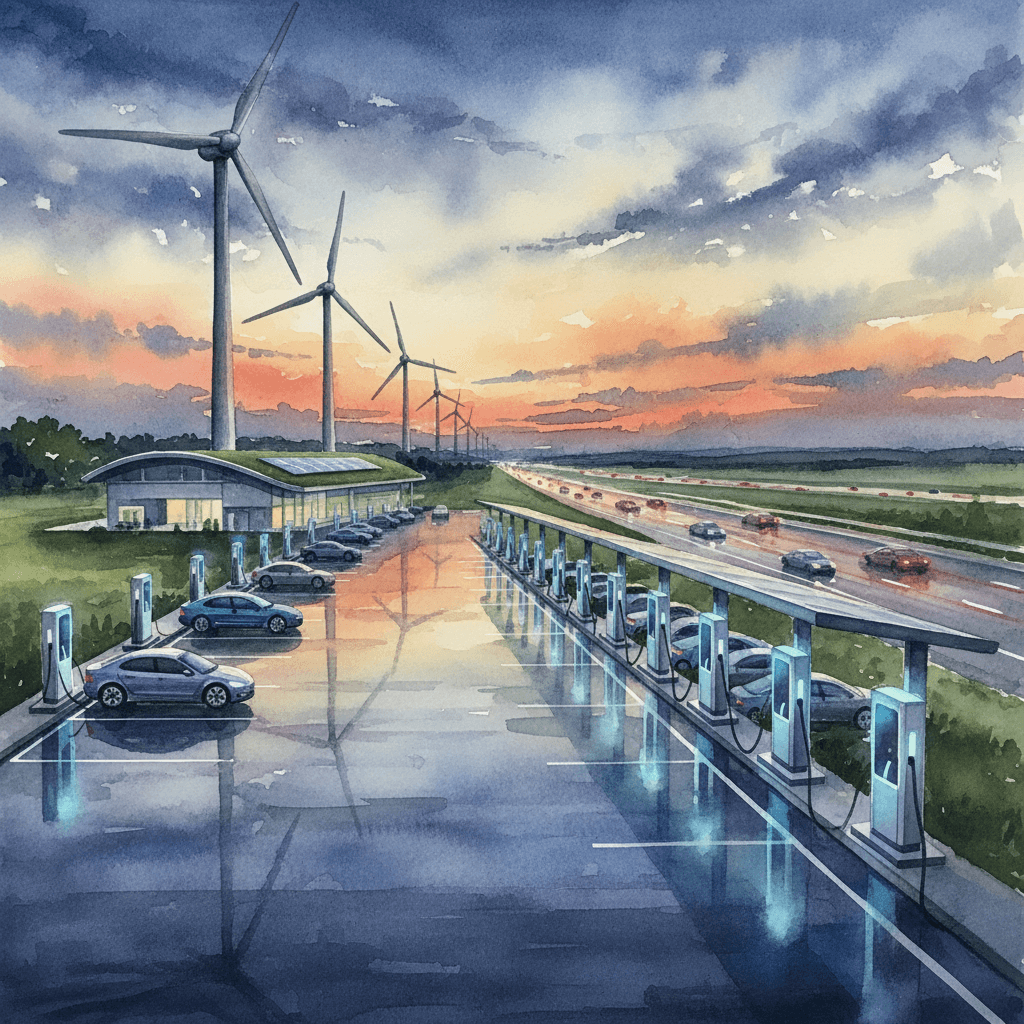
E-Viva Mobility provides shared electric bikes and compact electric cars to underserved rural communities. Local residents participate in mobility councils that help design the service, while accessible digital interfaces, solar-powered hubs, modular vehicles, circular materials, and AI-supported operations make the system both environmentally and socially oriented.
In this case, you will explore:
- how user-centred design incorporates diverse community needs;
- how accessibility and participation influence adoption of green innovations;
- how sustainability can be integrated into products, operations, and organisational governance.
E-Viva demonstrates that sustainable technology becomes more effective when communities participate in designing and governing the systems they are expected to use.
Main learning theme: User-Centred Design
Additional learning theme: Commitment to Innovation and Sustainability in Product, Production and Organisation
Suitable for: Learners interested in mobility, rural development, inclusive design, community participation, or sustainable technology
-